The comprehensive year-end accounting firm checklist for 2027



 Copied to clipboard.
It's mid-November, you're running 40-plus client accounts, and you’re in the same situation you’re in every year at this time. Weeks of out-of-scope work delivered and never billed, a handful of engagement letters still unsigned, and a receivables list full of invoices that will go dark the moment clients check out for the holidays.
What helps reduce some of that December 31 pressure is a year-end accounting firm checklist. It's a structured sequence of revenue, compliance, and operational tasks your firm needs to complete before January 1.
The goal is to protect cash flow, preserve billing authority across active client agreements, and avoid carrying uncollected balances into the new year. This is a firm management document, not a client bookkeeping close guide. Every item addresses what your firm stands to lose across a full client base if nothing is done before January 1.
What follows is a prioritized, sequenced checklist covering every category of revenue your firm is likely leaving on the table, from unbilled scope and stale recurring fees to unsigned agreements and disconnected billing data. Each section is actionable before the calendar turns.
Key takeaways
- November is the last viable window to clear AR backlogs, because client payment responsiveness drops sharply once the holiday period begins.
- Unbilled out-of-scope work is revenue never invoiced at all, distinct from overdue invoices, and December 31 is the last defensible date to recover it.
- An expired engagement letter removes a firm's contractual basis for billing, creating both compliance exposure and revenue risk that can't be resolved retroactively.
- Tasks requiring client action, such as signing renewals or settling balances, must launch in November; December is too late to rely on client responsiveness.
- A firm-wide pricing audit at year-end can surface clients whose fees have drifted below market, but a fee increase effective January requires a proposal sent in November.
Why November is your real deadline
November is the last reliable window to complete every year-end task that requires a client to sign, pay, or respond.
The IRS 2026 Tax Professional Awareness Week was designed specifically to help firms prepare for the 2027 filing season. And CPA Practice Advisor's October 2026 reporting identifies capacity constraints and operational readiness as the top concerns firms carry into the new year.
December compounds three problems at once:
- Client availability drops during the holidays, reducing payment responsiveness.
- Unsigned engagement letters create compliance exposure that can't be fixed retroactively.
- January filing-season volume arrives before accounts receivable is cleared, and staff get too busy with Form 1040 prep to worry about catch-up work.
1. Audit unbilled out-of-scope work
Work already delivered but never invoiced is the most recoverable revenue category at year-end. December 31 is the last defensible date to bill it before it becomes a write-off.
Scope creep accumulates incrementally across dozens of engagements. Year-end is often the first moment the full volume becomes visible.
Cross-reference your time logs and project records against each client's signed engagement scope, then flag every service line delivered but not contracted. This is a separate action from clearing overdue invoices, because unbilled work was never invoiced at all.
Once identified, issue an ad hoc charge for each item using Ignition's Instant Bill before December 31. Instant Bill processes the charge without touching the original agreement or pausing the existing recurring billing schedule.
2. Clear your accounts receivable backlog

Invoices more than 30 days outstanding need to move into an automated collection workflow before mid-December, when client payment responsiveness drops and doesn't recover until late January.
Pull an aged receivables report from QuickBooks Online or Xero. Segment it by days outstanding and prioritize every balance past 30 days. Those accounts need to move into a collection workflow immediately.
AutoCollect imports those outstanding invoices directly from QuickBooks Online or Xero into Ignition's automated collection workflow, removing the manual follow-up burden across 30 or more client accounts. Around 78% of Ignition customers report reduced late payments after implementing upfront payment authorization at signing.
3. Renew engagement letters in bulk
Current engagement letters protect both your documented scope and your billing continuity across every client account. Without a valid, signed letter, the contractual basis for billing the agreed scope disappears.
For firms managing 100-plus clients through email threads, Word templates, or disconnected e-signature tools, manual renewal isn't operationally viable in November. Good client management takes a centralized workflow.
What lapses when engagement letters expire
A lapsed engagement letter removes your firm's documented scope boundary and its billing basis at the same time. Without a current signed agreement on file, your firm has no enforceable record of what was agreed, what falls outside scope, and what fees were authorized.
That creates three concrete exposures:
- Charge disputes become harder to defend.
- Recurring billing loses its contractual anchor, making it easier for clients to question invoices.
- Professional liability risk rises without a current signed agreement on record.
Bulk renewal workflows for firms with 100-plus clients
Manual engagement letter renewal isn't operationally viable at 100-plus clients in November. If you're preparing each document individually, you can't clear that backlog before December 31.
Start by segmenting your client list by renewal date. Prioritize every agreement expiring before January 1 and move those accounts to the front of the queue.
Ignition's Contracts and Engagement Letters lets you generate letters from pre-built templates and send them to multiple clients at once, with no manual document prep per account. Send in batches to keep inbound signature volume manageable and follow-up realistic.
Tracking signature status before the year closes
A centralized status view lets you identify every unsigned renewal and close any outstanding letters that threaten billing continuity before December 31. A letter sitting in a client's inbox is a live billing risk, and at 100-plus clients, tracking which agreements are signed, pending, or overdue through email threads is unmanageable.
Ignition surfaces proposal and engagement letter status in a single centralized view, so you can see every outstanding signature without opening individual client records or cross-referencing a spreadsheet.
See the compliance issues firms miss at year-end
Real examples and how to address them before December 31
4. Audit recurring billing and pricing
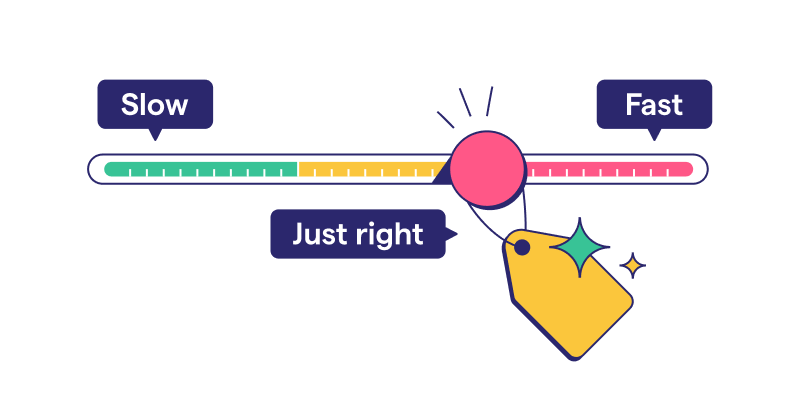
A January fee increase needs a November audit. If updated pricing isn't in a signed agreement before it takes effect, your firm has no billing basis for the new rate.
Pull the full recurring billing schedule from Ignition's Billing Hub and compare each client's current fee against your firm's current service pricing. Flag every account where the rate hasn't changed in 12 or more months.
AutoPricing applies the updated fees across multiple clients at once, removing the need to edit each billing schedule individually. That's what makes a firm-wide pricing update viable before January 1.
Each flagged account then needs a renewed or amended engagement letter reflecting the new rate. Sequencing the billing audit and the engagement letter renewal together in November means both tasks close in the same window.
5. Review scope across your full client base
A firm-wide scope review is a revenue audit. The question is whether every service being delivered is contracted and billed.
Scope creep accumulates gradually across dozens of accounts and stays hidden when each client is reviewed in isolation. A client profitability analysis at year-end is the only systematic way to surface the full volume of uncontracted work before it rolls into 2027.
Services delivered but never contracted
A service appearing in your delivery records but absent from the signed engagement letter is uncontracted work, and that creates a liability problem as well as a billing one. Your firm is performing work with no documented agreement governing it.
Bill completed uncontracted work through Instant Bill and add the service to the client's formal engagement scope before the new year. Billing for past work doesn't automatically authorize future delivery of the same service.
Updating engagement scope before the new year
Every new service identified in your scope review needs a signed amendment or renewed engagement letter in place before January 1. An informal conversation or email confirmation doesn't give your firm a contractual basis for billing that service going forward.
When a full renewal isn't already planned, Ignition's agreement amendments let you document scope changes for existing clients without triggering a full re-sign, keeping the process lightweight for both sides.
If renewal is already underway, fold the scope update directly into the renewal letter. One document for the client to sign is simpler than two, and it closes the billing exposure before year-end without adding steps to your workflow.
6. Renew client proposals for the coming year
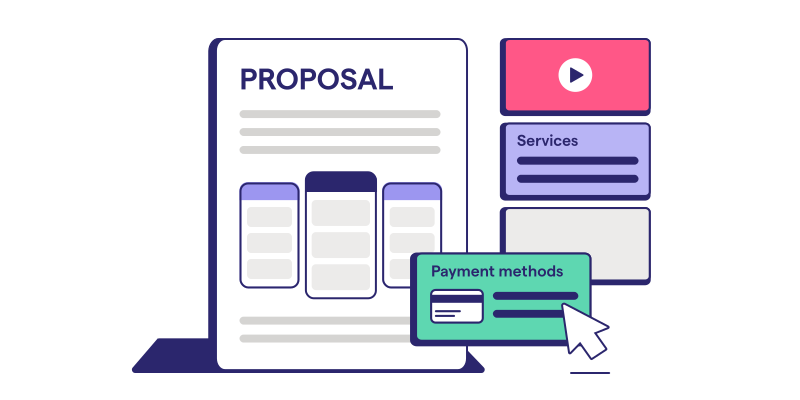
Sending renewed proposals in November secures next-year services and fees before clients receive competing offers in January. That timing is a retention advantage.
The proposal is a commercial document, distinct from the engagement letter. It defines the service package, fee, and billing schedule for the new year. When a client accepts a renewed proposal in Ignition, the billing schedule for the new year initializes automatically, without manual re-entry.
Renewal is also an upsell opportunity. Ignition Proposals lets you include optional service add-ons in the same signable document, so clients can expand scope at the point of signing. If fees are changing, these price increase best practices are worth reviewing before proposals go out.
7. Review firm revenue and pipeline visibility
Closing the year without a real-time view of projected revenue, pending payments, and unsigned proposals means January staffing decisions rest on incomplete data.
Ignition's Business Insights Dashboard surfaces what you need:
- Projected revenue as proposals are signed
- Collected and pending payments
- Sent and accepted proposals with response times
- Revenue broken down by service
That view separates confirmed January cash from proposals still awaiting a signature.
Unsigned proposals are at-risk revenue. Prioritize outreach on those before filing season begins. The IRS has released tax inflation adjustments for tax year 2027, giving firms a concrete reason to re-engage clients who haven't signed advisory proposals for the new year.
Firms that skip this step risk revenue leakage that compounds into Q1.
8. Complete firm administrative obligations
Firm-side administrative tasks have hard deadlines that don't shift for holiday schedules. The IRS has reminded tax professionals to renew their Preparer Tax Identification Numbers for 2027, making PTIN renewal a non-negotiable action with a hard deadline.
These are obligations you carry for your own firm, separate from any client-facing compliance work. PTIN renewal, updated professional registrations, and similar credentialing tasks belong on your own checklist.
Completing them in November is practical because January capacity is already spoken for. Operational readiness is a top concern heading into 2027, and administrative tasks left until filing season compete directly with client work.
9. Sequence your checklist: November vs. December
November is for actions that require client response time. December is for work the firm controls entirely.
November tasks: Each depends on a client signing, paying, or responding, and December response rates are unreliable.
- Engagement letter renewals
- Proposal renewals
- Accounts receivable collections
- Unbilled work invoicing
December tasks: None of these require a client to act, so your firm can complete them on its own schedule.
- Billing and pricing audits
- Scope reviews
- Revenue and pipeline reporting
- PTIN renewal
The sequencing has a practical basis. Engagement letters sent in November give clients 2–3 weeks to sign before the holiday slowdown. AR collection initiated in November gives the automated workflow enough time to process before December payment windows close. For firms managing 30 or more clients, that lead time isn't optional.
Close the year without leaving revenue behind
Year-end isn't a compliance deadline. It's the last window before January to recover revenue that's already been earned, protect billing authority for the year ahead, and close the cash shortfall before the holiday slowdown makes collection harder.
Each item on this checklist addresses a specific category of money at risk:
- Engagement letter renewals protect billing authority.
- Proposal renewals activate next-year revenue.
- AR clearance closes the cash gap before the holiday slowdown.
- Billing audits catch pricing that has drifted below market.
- Scope reviews surface uncontracted work before it becomes a write-off.
They operate as a single revenue protection sequence, and firms that treat them that way close the year in a stronger position than those working through a checklist one item at a time.
Ignition connects every step of that sequence, from sending engagement renewals and proposals in bulk to automating billing schedules, collecting payment at signing, and giving you real-time visibility into what's been accepted and what's still outstanding.
If you're managing 50-plus clients through year-end, that's the difference between a process that runs and one that needs constant manual intervention.
Close every revenue item before December 31
Ignition connects engagement renewals, billing, collections, and reporting in one workflow.
Frequently asked questions
-
The IRS has released tax inflation adjustments for tax year 2027, which accounting firms can use to frame proactive advisory conversations with clients before filing season begins. Firms that review these adjustments in November can use that guidance to get ahead of client questions in January. This timing advantage also supports proposal renewals, since updated advisory scope tied to real regulatory changes gives clients a concrete reason to sign early.
-
The IRS has reminded tax professionals to renew their PTINs for 2027, making renewal a firm administrative obligation with a hard deadline. PTIN renewal must be completed before preparing any federal tax returns for the 2027 filing season, so firms that delay until January risk a compliance gap at the exact moment filing volume peaks. Completing renewal in November eliminates that exposure before the filing season workload begins.
-
Issuing an invoice for completed out-of-scope work does not require a full revised engagement letter, but it also does not automatically contract that service for future delivery. The correct two-step approach is to bill for past uncontracted work immediately, then update the engagement scope in a signed amendment or renewed letter before the new year begins. Without the scope update, the firm has recovered the revenue but left the structural gap open for the same pattern to repeat in 2027.
-
Client-dependent tasks carry the hardest deadlines and should move first. Engagement letter renewals, proposal renewals, and accounts receivable collection all require client response time that disappears once the holiday period begins. CPA Practice Advisor's October 2026 reporting identifies capacity constraints as a top concern firms carry into 2027, reinforcing that the window to act before filing season is shorter than it appears. Firm-controlled tasks, such as billing audits, pricing reviews, and PTIN renewal, can run in December without depending on client availability.
-
When clients provide payment authorization at the moment they sign a proposal, the firm collects future charges automatically without sending invoice reminders or chasing balances manually. Around 78% of Ignition customers report reduced late payments after implementing this model, because the payment ask is removed from the ongoing client relationship entirely. Firms still managing AR backlogs at year-end are typically operating under a bill-after-delivery model, and renewing proposals through Ignition in November is the moment to shift that structure before 2027 begins.