How to get accounting clients: from lead to signed client



 Copied to clipboard.
A referral comes in from a client you trust, and the prospect sounds like a strong fit. But the discovery call ends without a clear next step, the proposal takes days to pull together, and by the time it arrives, the initial momentum has faded.
Getting more accounting clients requires a full acquisition process that turns suitable prospects into signed, payment-ready engagements through consistent qualification, clear proposals, engagement terms, and billing setup. A repeatable process matters as much as the leads themselves because prospects can stall at any disconnected handoff along the way.
This is for firm owners and managing partners who already have interest coming in the door but watch too much of it evaporate before a contract gets signed. What follows is a practical, four-stage system for moving a prospect from first inquiry to a signed, billing-ready client.
A referral comes in from a client you trust, and the prospect sounds like a strong fit. But the discovery call ends without a clear next step, the proposal takes days to pull together, and by the time it arrives, the initial momentum has faded.
Getting more accounting clients requires a full acquisition process that turns suitable prospects into signed, payment-ready engagements through consistent qualification, clear proposals, engagement terms, and billing setup. A repeatable process matters as much as the leads themselves because prospects can stall at any disconnected handoff along the way.
This is for firm owners and managing partners who already have interest coming in the door but watch too much of it evaporate before a contract gets signed. What follows is a practical, four-stage system for moving a prospect from first inquiry to a signed, billing-ready client.
Key takeaways
- Getting more accounting clients requires a repeatable pipeline that tracks and qualifies prospects, not just more referrals or leads.
- Fast, professional proposals with clear services, pricing, and e-signature can help firms convert interested prospects before momentum fades.
- Connecting engagement letters to proposals can reduce onboarding delays while clarifying scope, fees, and responsibilities for every new accounting client.
- Collecting payment details when a client signs can support predictable cash flow and remove manual follow-up from the new client relationship.
- A connected lead-to-payment workflow helps accounting firms turn client acquisition into a scalable process rather than a series of disconnected tasks.
Key takeaways
- Getting more accounting clients requires a repeatable pipeline that tracks and qualifies prospects, not just more referrals or leads.
- Fast, professional proposals with clear services, pricing, and e-signature can help firms convert interested prospects before momentum fades.
- Connecting engagement letters to proposals can reduce onboarding delays while clarifying scope, fees, and responsibilities for every new accounting client.
- Collecting payment details when a client signs can support predictable cash flow and remove manual follow-up from the new client relationship.
- A connected lead-to-payment workflow helps accounting firms turn client acquisition into a scalable process rather than a series of disconnected tasks.
Why more leads alone won't grow your accounting firm
Why more leads alone won't grow your accounting firm
Slow follow-up and disconnected closing steps can stop more leads from turning into predictable growth. Qualified prospects who stall between an initial inquiry, a proposal, a signature, and billing setup represent missed opportunities, regardless of how many new inquiries arrive that same week.
A referral sitting unread in an inbox has no owner and no deadline attached to it. A tracked opportunity has a named owner, a current stage, a due date, and a defined next action, all visible in one place instead of scattered across email threads.
Adopting a connected platform only closes that gap if the firm assigns clear ownership, trains staff on one process, and applies it consistently. Start by auditing every active lead and confirming who owns it and what happens next, following these proven ways to promote and convert accounting services.
Slow follow-up and disconnected closing steps can stop more leads from turning into predictable growth. Qualified prospects who stall between an initial inquiry, a proposal, a signature, and billing setup represent missed opportunities, regardless of how many new inquiries arrive that same week.
A referral sitting unread in an inbox has no owner and no deadline attached to it. A tracked opportunity has a named owner, a current stage, a due date, and a defined next action, all visible in one place instead of scattered across email threads.
Adopting a connected platform only closes that gap if the firm assigns clear ownership, trains staff on one process, and applies it consistently. Start by auditing every active lead and confirming who owns it and what happens next, following these proven ways to promote and convert accounting services.
The four-stage client acquisition cycle every growing firm needs
The four-stage client acquisition cycle every growing firm needs
A growing firm needs one connected cycle that moves each qualified inquiry through proposal, engagement terms, payment authorization, and billing readiness rather than four disconnected tasks handled by different tools. The finish line is an active engagement with payment authorized and billing ready to begin.
- Capture and qualify the lead: Log every inquiry in one visible pipeline and assess it against fit, budget, urgency, and service need before committing partner time.
- Deliver the proposal and collect the signature: Send one clear proposal with services, pricing, and e-signature after discovery confirms fit.
- Confirm engagement terms: Carry accepted proposal terms into the engagement letter so scope, fees, and responsibilities are set without unnecessary duplicate entry.
- Set up payment and billing: Capture payment authorization at signing so the agreed billing schedule can begin without a separate payment request.
A growing firm needs one connected cycle that moves each qualified inquiry through proposal, engagement terms, payment authorization, and billing readiness rather than four disconnected tasks handled by different tools. The finish line is an active engagement with payment authorized and billing ready to begin.
- Capture and qualify the lead: Log every inquiry in one visible pipeline and assess it against fit, budget, urgency, and service need before committing partner time.
- Deliver the proposal and collect the signature: Send one clear proposal with services, pricing, and e-signature after discovery confirms fit.
- Confirm engagement terms: Carry accepted proposal terms into the engagement letter so scope, fees, and responsibilities are set without unnecessary duplicate entry.
- Set up payment and billing: Capture payment authorization at signing so the agreed billing schedule can begin without a separate payment request.
Lead capture and qualification
Lead capture and qualification
Accounting firms should capture every inquiry in one visible pipeline and qualify it by service need, budget, urgency, and fit before committing partner capacity. Deals & Forms keeps each inquiry in one place so prospects don’t sit unseen in a partner's inbox.
Required intake fields can turn that record into a qualification tool: service needed, budget range, urgency, and fit against your ideal client profile.
From there, assigning clear ownership keeps limited partner time directed toward prospects worth pursuing rather than simply the loudest ones.
Accounting firms should capture every inquiry in one visible pipeline and qualify it by service need, budget, urgency, and fit before committing partner capacity. Deals & Forms keeps each inquiry in one place so prospects don’t sit unseen in a partner's inbox.
Required intake fields can turn that record into a qualification tool: service needed, budget range, urgency, and fit against your ideal client profile.
From there, assigning clear ownership keeps limited partner time directed toward prospects worth pursuing rather than simply the loudest ones.
Proposal delivery and e-signature
Proposal delivery and e-signature
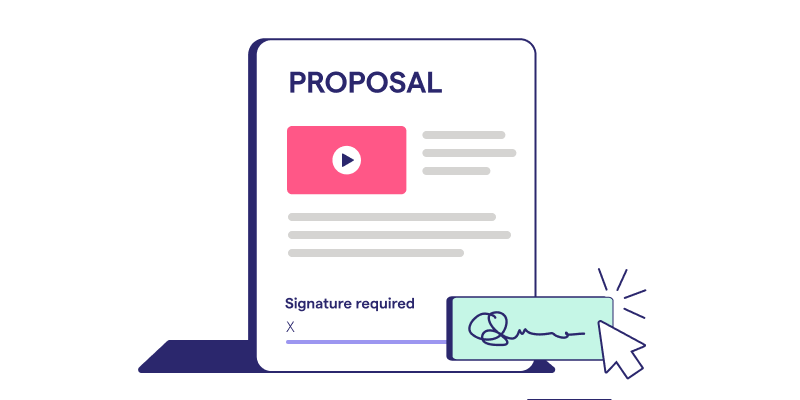
A qualified lead keeps momentum when the firm sends one clear proposal with services, pricing, e-signature, and payment authorization after discovery confirms fit. Ignition Proposals combines service options, scope, pricing, e-signature, and payment authorization into a single client experience rather than assembling them across separate documents and tools.
A qualified lead keeps momentum when the firm sends one clear proposal with services, pricing, e-signature, and payment authorization after discovery confirms fit. Ignition Proposals combines service options, scope, pricing, e-signature, and payment authorization into a single client experience rather than assembling them across separate documents and tools.
Engagement letters and compliance
Engagement letters and compliance
Engagement letters support conversion by confirming scope, fees, and responsibilities inside the same workflow that prepares the signed client for billing. Ignition Contracts & Engagement Letters connects accepted proposal terms with the agreement, reducing the need to re-enter scope or fees before work begins.
That connection can reduce duplicate entry and help close the gap between signature and first invoice.
Compliance requirements differ by profession and jurisdiction, so review templates and clauses against your governing body's standards before sending them.
Engagement letters support conversion by confirming scope, fees, and responsibilities inside the same workflow that prepares the signed client for billing. Ignition Contracts & Engagement Letters connects accepted proposal terms with the agreement, reducing the need to re-enter scope or fees before work begins.
That connection can reduce duplicate entry and help close the gap between signature and first invoice.
Compliance requirements differ by profession and jurisdiction, so review templates and clauses against your governing body's standards before sending them.
Payment setup and billing automation
Payment setup and billing automation
Collecting payment authorization during acceptance makes the signed engagement ready to bill without a separate payment request. Payments & Collections captures card or bank details as part of the proposal a client signs, so agreed billing can begin after acceptance.
That removes the awkward follow-up email asking a brand new client to provide payment details. Around 78% of Ignition customers report reduced late payments, giving firms another reason to bring payment setup into the acquisition process.
Collecting payment authorization during acceptance makes the signed engagement ready to bill without a separate payment request. Payments & Collections captures card or bank details as part of the proposal a client signs, so agreed billing can begin after acceptance.
That removes the awkward follow-up email asking a brand new client to provide payment details. Around 78% of Ignition customers report reduced late payments, giving firms another reason to bring payment setup into the acquisition process.
One workflow from lead to billing.
See how Ignition connects lead capture, proposals, engagement letters, and payments into a single automated cycle.
One workflow from lead to billing.
See how Ignition connects lead capture, proposals, engagement letters, and payments into a single automated cycle.
Stage one: Capture and qualify leads before they go cold
Stage one: Capture and qualify leads before they go cold
Assign an owner and record consistent qualification details the moment an inquiry arrives, before momentum fades. A warm referral lands in your inbox, someone replies with a friendly note, and then nobody documents fit, deadline, or next step. Days later, no one remembers who's responsible.
A standard intake process and centralized tracking can help every firm working to build and grow a client base.
Assign an owner and record consistent qualification details the moment an inquiry arrives, before momentum fades. A warm referral lands in your inbox, someone replies with a friendly note, and then nobody documents fit, deadline, or next step. Days later, no one remembers who's responsible.
A standard intake process and centralized tracking can help every firm working to build and grow a client base.
Define your ideal client profile and track every prospect in one place
Define your ideal client profile and track every prospect in one place
The best accounting prospects match a firm's profitability, service fit, complexity, communication style, and growth potential. That match matters more than an industry label alone. Someone who wants complex advisory work but pays late may be a worse fit than a straightforward bookkeeping client who pays on time and refers others.
Document those five criteria once, then use them to assess every inquiry that comes in.
Turn each criterion into a required intake field rather than a mental checklist you apply inconsistently. Deals & Forms can replace the spreadsheet-and-email approach covered in this guide to growing and scaling a bookkeeping business.
Every qualified prospect then gets an assigned owner, a pipeline stage, and a next action. Nothing sits unowned in an inbox.
The best accounting prospects match a firm's profitability, service fit, complexity, communication style, and growth potential. That match matters more than an industry label alone. Someone who wants complex advisory work but pays late may be a worse fit than a straightforward bookkeeping client who pays on time and refers others.
Document those five criteria once, then use them to assess every inquiry that comes in.
Turn each criterion into a required intake field rather than a mental checklist you apply inconsistently. Deals & Forms can replace the spreadsheet-and-email approach covered in this guide to growing and scaling a bookkeeping business.
Every qualified prospect then gets an assigned owner, a pipeline stage, and a next action. Nothing sits unowned in an inbox.
Stage two: Send proposals that close deals faster
Stage two: Send proposals that close deals faster
Fast, clear proposal delivery keeps a qualified accounting prospect moving toward signature while the discovery conversation is still current. Once a lead goes quiet after a strong discovery call, momentum can be harder to recover.
A connected proposal workflow built from approved services and sent right after discovery can improve turnaround time, consistency, scope clarity, and billing readiness compared with a Word-and-email process.
Fast, clear proposal delivery keeps a qualified accounting prospect moving toward signature while the discovery conversation is still current. Once a lead goes quiet after a strong discovery call, momentum can be harder to recover.
A connected proposal workflow built from approved services and sent right after discovery can improve turnaround time, consistency, scope clarity, and billing readiness compared with a Word-and-email process.
Replace Word docs and disconnected e-signature tools with one workflow
Replace Word docs and disconnected e-signature tools with one workflow
Replacing Word documents, email attachments, and separate e-signature tools with one proposal workflow reduces handoffs between discovery, signature, and billing setup. Ignition Proposals pulls from approved services, pricing, and terms saved in the platform, then presents optional add-ons alongside the core scope so the client sees one complete offer instead of a chain of follow-up emails.
A bookkeeping prospect who finishes a discovery call can receive a tailored proposal, review the scope and optional services, and sign online without waiting for a revised attachment or separate signing link.
That same step can capture payment details, so the accepted proposal is billing-ready once it's signed.
Building approved service, pricing, and term templates now can help the next qualified lead receive a proposal faster.
Replacing Word documents, email attachments, and separate e-signature tools with one proposal workflow reduces handoffs between discovery, signature, and billing setup. Ignition Proposals pulls from approved services, pricing, and terms saved in the platform, then presents optional add-ons alongside the core scope so the client sees one complete offer instead of a chain of follow-up emails.
A bookkeeping prospect who finishes a discovery call can receive a tailored proposal, review the scope and optional services, and sign online without waiting for a revised attachment or separate signing link.
That same step can capture payment details, so the accepted proposal is billing-ready once it's signed.
Building approved service, pricing, and term templates now can help the next qualified lead receive a proposal faster.
Stage three: Turn engagement letters into a growth lever, not a compliance chore
Stage three: Turn engagement letters into a growth lever, not a compliance chore
Routing tax-season volume through one workflow instead of manual, one-off drafting can turn engagement letters into a growth tool. During tax season, staff may prepare, attach, send, and track separate letter versions across a large client roster, consuming capacity when they should be confirming terms.
The same workflow can centralize high-volume sending, track renewals in one place, and handle amendments without restarting the entire process. For onboarding steps after signing, see the client onboarding guide.
Routing tax-season volume through one workflow instead of manual, one-off drafting can turn engagement letters into a growth tool. During tax season, staff may prepare, attach, send, and track separate letter versions across a large client roster, consuming capacity when they should be confirming terms.
The same workflow can centralize high-volume sending, track renewals in one place, and handle amendments without restarting the entire process. For onboarding steps after signing, see the client onboarding guide.
Bulk send and manage renewals during tax season
Bulk send and manage renewals during tax season
A firm managing around 100 client relationships can reduce repetitive engagement letter work by standardizing templates and sending them in bulk through Contracts & Engagement Letters. Instead of drafting or copy-pasting individual letters for every renewal, staff can use approved templates across a large client base.
A central renewal view keeps status visible instead of scattered across inboxes and shared drives. Agreements can be tracked by owner, stage, and due date so renewals are easier to manage.
Smaller scope changes don't always require restarting the whole signing process. An amendment can document the update while keeping the original agreement intact.
Before tax season starts, lock in approved templates and build one renewal process with assigned owners and dates.
A firm managing around 100 client relationships can reduce repetitive engagement letter work by standardizing templates and sending them in bulk through Contracts & Engagement Letters. Instead of drafting or copy-pasting individual letters for every renewal, staff can use approved templates across a large client base.
A central renewal view keeps status visible instead of scattered across inboxes and shared drives. Agreements can be tracked by owner, stage, and due date so renewals are easier to manage.
Smaller scope changes don't always require restarting the whole signing process. An amendment can document the update while keeping the original agreement intact.
Before tax season starts, lock in approved templates and build one renewal process with assigned owners and dates.
Stage four: Collect payment information the moment a client signs
Stage four: Collect payment information the moment a client signs

An accounting firm can collect payment authorization when a client signs, so agreed billing can begin without another administrative handoff. In a firm with 30 recurring clients, manual invoicing and follow-up can compound across every billing cycle, a pattern discussed in these strategic steps for running a profitable practice.
Payments & Collections links captured payment details to agreed charges as part of the signed proposal, reducing the need for a separate payment request later. AutoCollect can extend payment automation to eligible existing invoices.
An accounting firm can collect payment authorization when a client signs, so agreed billing can begin without another administrative handoff. In a firm with 30 recurring clients, manual invoicing and follow-up can compound across every billing cycle, a pattern discussed in these strategic steps for running a profitable practice.
Payments & Collections links captured payment details to agreed charges as part of the signed proposal, reducing the need for a separate payment request later. AutoCollect can extend payment automation to eligible existing invoices.
Extend automated collection to existing invoices with AutoCollect
Extend automated collection to existing invoices with AutoCollect
AutoCollect can move eligible outstanding invoices from connected accounting records into an automated collection workflow after the required setup and authorization. Firms with unpaid invoices in Xero or QuickBooks Online don't have to leave those balances in a separate manual follow-up process.
At a high level, the process involves connecting the applicable accounting records, identifying eligible invoices, and securing the required client authorization.
Once authorized, those invoices can move into an automated collection process rather than remaining on a separate manual chase list.
Before rolling this out, confirm current setup requirements, supported payment methods, fees, and regional availability in Ignition's documentation, since these details can change and vary by market.
AutoCollect can move eligible outstanding invoices from connected accounting records into an automated collection workflow after the required setup and authorization. Firms with unpaid invoices in Xero or QuickBooks Online don't have to leave those balances in a separate manual follow-up process.
At a high level, the process involves connecting the applicable accounting records, identifying eligible invoices, and securing the required client authorization.
Once authorized, those invoices can move into an automated collection process rather than remaining on a separate manual chase list.
Before rolling this out, confirm current setup requirements, supported payment methods, fees, and regional availability in Ignition's documentation, since these details can change and vary by market.
The real cost of slow onboarding on your firm's revenue
The real cost of slow onboarding on your firm's revenue
Slow movement from a qualified lead to a billing-ready engagement delays revenue, ties up partner time chasing signatures, and can weaken the first client experience. Every extra day between qualification and first billing is another day before revenue collection begins.
Run the numbers on your own pipeline using four inputs, and label each one clearly as an assumption rather than a benchmark. A firm might qualify 20 leads a month, convert 30% into signed clients, value each new client at $3,000 a year, and take 21 days from signature to first billing.
- Qualified leads: 20 per month
- Proposal conversion rate: 30%
- Average annual client value: $3,000
- Days to first billing: 21
That's six new clients and $18,000 in new annual value with billing starting three weeks after signature, plus the partner time spent nudging contracts and setting up invoices. Change any one assumption and the impact changes for your firm, which is why it's worth calculating with your own figures.
Slow onboarding doesn't guarantee a lost prospect to a competitor, but the first weeks of a client relationship set the tone. A firm that gets billing-ready faster has more control over when revenue collection begins.
Slow movement from a qualified lead to a billing-ready engagement delays revenue, ties up partner time chasing signatures, and can weaken the first client experience. Every extra day between qualification and first billing is another day before revenue collection begins.
Run the numbers on your own pipeline using four inputs, and label each one clearly as an assumption rather than a benchmark. A firm might qualify 20 leads a month, convert 30% into signed clients, value each new client at $3,000 a year, and take 21 days from signature to first billing.
- Qualified leads: 20 per month
- Proposal conversion rate: 30%
- Average annual client value: $3,000
- Days to first billing: 21
That's six new clients and $18,000 in new annual value with billing starting three weeks after signature, plus the partner time spent nudging contracts and setting up invoices. Change any one assumption and the impact changes for your firm, which is why it's worth calculating with your own figures.
Slow onboarding doesn't guarantee a lost prospect to a competitor, but the first weeks of a client relationship set the tone. A firm that gets billing-ready faster has more control over when revenue collection begins.
Turn your client acquisition process into one connected system with Ignition
Turn your client acquisition process into one connected system with Ignition
A clean handoff between qualification, proposal, engagement letter, payment authorization, and billing helps the client acquisition process work as one system. More leads won't fix a process that repeatedly stalls between those stages.
Ignition was built for exactly that handoff, with proposals, engagement letters, and payment authorization captured in one signed step, so collections can start on schedule instead of on a follow-up call. Firms running client acquisition this way can spend less time on admin and more time on work that pays.
A clean handoff between qualification, proposal, engagement letter, payment authorization, and billing helps the client acquisition process work as one system. More leads won't fix a process that repeatedly stalls between those stages.
Ignition was built for exactly that handoff, with proposals, engagement letters, and payment authorization captured in one signed step, so collections can start on schedule instead of on a follow-up call. Firms running client acquisition this way can spend less time on admin and more time on work that pays.
Close the gaps in your client acquisition process.
Connect proposals, engagement letters, billing, and payments in one platform.
Close the gaps in your client acquisition process.
Connect proposals, engagement letters, billing, and payments in one platform.
Frequently asked questions
Frequently asked questions
-
The best approach combines focused lead generation with a repeatable process for turning suitable prospects into paying clients. Define an ideal client profile based on industry, business size, service needs, and profitability, then build referral, partnership, networking, directory, and content channels around that profile. Track every prospect through qualification, proposal, signature, and payment setup so promising leads don't disappear between disconnected tools.
-
The best approach combines focused lead generation with a repeatable process for turning suitable prospects into paying clients. Define an ideal client profile based on industry, business size, service needs, and profitability, then build referral, partnership, networking, directory, and content channels around that profile. Track every prospect through qualification, proposal, signature, and payment setup so promising leads don't disappear between disconnected tools.
-
Small accounting firms commonly win new clients through referrals, local networks, strategic partners, and focused online visibility. A clear niche makes the firm's expertise easier to understand and recommend. Consistent follow-up and fast proposal delivery can then turn personal trust into a signed, payment-ready engagement.
-
Small accounting firms commonly win new clients through referrals, local networks, strategic partners, and focused online visibility. A clear niche makes the firm's expertise easier to understand and recommend. Consistent follow-up and fast proposal delivery can then turn personal trust into a signed, payment-ready engagement.
-
A new self-employed accountant can begin with former professional contacts, local business groups, LinkedIn communities, and QuickBooks or Xero advisor directories. Offer a focused consultation for one defined client type, capture every inquiry, and schedule a specific next action. Clear scope, professional engagement terms, and a smooth path from acceptance to payment help establish credibility from the first engagement.
-
A new self-employed accountant can begin with former professional contacts, local business groups, LinkedIn communities, and QuickBooks or Xero advisor directories. Offer a focused consultation for one defined client type, capture every inquiry, and schedule a specific next action. Clear scope, professional engagement terms, and a smooth path from acceptance to payment help establish credibility from the first engagement.
-
A strong accounting proposal clearly connects the client's needs with defined services, pricing, scope, and contract terms. Built-in e-signatures and automated reminders reduce back-and-forth, while collecting payment authorization at acceptance removes another potential delay. Connecting these steps can also allow billing to begin according to the agreed schedule after signing.
-
A strong accounting proposal clearly connects the client's needs with defined services, pricing, scope, and contract terms. Built-in e-signatures and automated reminders reduce back-and-forth, while collecting payment authorization at acceptance removes another potential delay. Connecting these steps can also allow billing to begin according to the agreed schedule after signing.
-
Accounting firms can convert more leads by managing acquisition as one connected pipeline rather than a collection of separate lead-generation tactics. Capture and qualify each prospect, assign clear ownership and next actions, send the proposal promptly, confirm engagement terms, and collect payment details during acceptance. This process preserves momentum, accelerates billing readiness, and reduces manual collection work.
-
Accounting firms can convert more leads by managing acquisition as one connected pipeline rather than a collection of separate lead-generation tactics. Capture and qualify each prospect, assign clear ownership and next actions, send the proposal promptly, confirm engagement terms, and collect payment details during acceptance. This process preserves momentum, accelerates billing readiness, and reduces manual collection work.