A business owner's framework for five client meeting types



 Copied to clipboard.
Most business owners polish the first client meeting. They review the intake notes, sharpen the pitch, and arrive ready to win the work.
Then every meeting after that becomes an informal chat. Scoping calls end without an engagement letter, check-ins without a billing update, and scope changes without written documentation. Renewals roll over on autopilot, with no new pricing, scope, or contract.
Client meetings are recurring checkpoints a business holds with a client across the engagement, from onboarding through scoping, check-ins, scope changes, and renewals. Each checkpoint should end in a signed document or billing action.
Gaps between the meeting and invoice can cost businesses revenue that may not be noticed until the books close for the month. Every client relationship includes five meeting types, each with its own required outcome. Name the meeting on the calendar, and you'll know what needs to happen next.
Key takeaways
- Every client meeting type, from onboarding through renewal, works best when it ends in a signed document or billing action.
- Scope-change conversations protect revenue only when they produce an updated agreement that triggers billing for the extra work.
- Renewal meetings function best as active pricing and scope reviews, not as routine formalities before a contract rolls over.
- Recurring check-ins surface more issues when businesses review billing status, renewal dates, and open change orders beforehand.
- Scoping meetings differ from onboarding conversations because their purpose is confirming compliance details before an engagement letter is signed.
Five meetings across the client lifecycle
Every client relationship moves through five meeting types, including onboarding, scoping, recurring check-ins, scope-change, and renewal. This applies whether you run a solo practice or a growing business.
Each one produces a specific document or billing action, not just notes and a follow-up email.
- Onboarding meetings produce a proposal
- Scoping meetings produce a signed engagement letter
- Recurring check-ins confirm delivery, payment status, and renewal timing
- Scope-change meetings produce an agreement amendment tied to new billing
- Renewal meetings produce a revised contract
The sections below walk through each checkpoint in order.
1. Onboarding meetings end with a proposal
An onboarding meeting is the first working conversation after initial contact, and its job is to confirm scope and pricing clearly enough to produce a signed proposal within 24 hours. That proposal is the onboarding deliverable. It puts scope, price, and terms in the client's hands while the conversation is still fresh.
Preparation starts before the call. Review intake notes, confirm the referral source, and check that the client's needs fit the services the business offers.

That groundwork lets the conversation start with the client, not the business's pitch. Asking about the client's business first works well because clients tend to engage more readily when talking about their priorities rather than listening to a sales script.
Discovery questions should map directly to proposal line items. Asking about transaction volume, entity structure, filing deadlines, or reporting frequency gives the business what it needs to select services, set pricing tiers, and choose packages.
By the end of the meeting, the notes should read like a draft proposal, not a summary of small talk. This guide to client onboarding explains how to turn that first conversation into a structured process.
2. Scoping meetings end with engagement letters
A scoping meeting should convert the compliance details confirmed after proposal acceptance into a signed engagement letter. This conversation happens after the client has already said yes to the proposal, so the focus shifts from selling the work to documenting it precisely. Pain points surfaced during scoping, such as messy books or missed filings, belong in the engagement letter's scope language, not a separate notes file.
Before drafting the final scope, resolve every open question about fees, deliverables, terms, and exclusions, including billing frequency, deliverable timing, and what falls outside scope. Skipping these questions produces an engagement letter that invites disputes instead of preventing them.
During tax season, this gets specific fast. A scoping meeting should confirm which return types are included, whether prior-year cleanup is in scope or billed separately, and what fee applies. Businesses managing high volumes of engagement letters need this clarity before signature, not after work begins.
Once the engagement letter reflects these details, send it for signature and set expectations early. For guidance on walking clients through this shift toward digital agreements, see how to introduce Ignition to your clients.
Catch scope creep before it starts.
Watch the webinar on preventing disputes and late payments through clearer scoping.
3. Recurring check-ins keep engagements on track
Recurring check-ins are periodic meetings after onboarding that review delivery, billing status, and open items. They're not first meetings or scoping calls. Their job is to catch problems while they're still small.
Preparation begins before each check-in. Pull up the client's proposal and billing records to confirm what was agreed and what has been invoiced.
Check the renewal date, payment status, and any open change orders. Then review past meeting notes, recent emails, and unfinished action items so nothing gets raised twice or missed entirely.
This preparation turns a routine check-in into a diagnostic tool. An overdue payment signals a billing conversation that needs to happen before it damages the relationship.
An open change order with no signature may mean work is happening that hasn't been billed. An approaching renewal date means pricing and scope need review before the current agreement lapses.
Businesses that build this review into every recurring check-in are less likely to be surprised by a lost client or an unpaid invoice. These client management best practices can help businesses take a more proactive approach to strengthening client relationships.
4. Scope-change meetings that trigger new billing
A scope-change meeting only protects revenue when it ends in an agreement amendment and a billing action for the added work. A verbal agreement that the client "understands" the extra cost is not enough. It leaves a gap where unbilled hours can accumulate.
Start by naming the expanded service in specific terms: what changed, why it's outside the original agreement, and the updated price. That detail belongs in an agreement amendment, not a follow-up email or project note. The amendment replaces the original scope line so nobody has to reconstruct what was agreed weeks later.
Bringing up added cost mid-engagement is often the hardest part of this conversation, and getting the framing right matters as much as the paperwork that follows. This guide to managing awkward client conversations covers how to raise scope changes without damaging the relationship.
Once the client accepts the amendment, connect it directly to billing. The added work should generate an invoice or update recurring billing immediately, not wait for the next renewal cycle. Treating the amendment and billing as one step closes the gap where scope creep erodes margin.This is a unique idea that works wonders, courtesy of the team at Creative Boom. They recommend during the initial meeting you offer the clients something small they can do themselves for free to help their business.
This might be a simple piece of advice as you go through their materials, or it might be a free piece of content you email them before or following the meeting. This is a clever way to build rapport and trust, while demonstrating your confidence and expertise.
5. Listen more than you speak
A renewal meeting should actively revisit pricing and scope before the client signs a new contract. This periodic conversation happens before a contract or retainer term ends, and it exists to reset terms, not just extend them. Treat it as a scheduled checkpoint, not something triggered only when a client raises a concern.
Pricing reviews and package-tier changes belong on the agenda every time, not just when costs go up. Ask whether the current tier still matches the work delivered. If a client has outgrown a lower tier or added services outside scope, fold those changes into the new price.
Businesses that skip this step let contracts roll over unchanged, locking in outdated pricing and unclear scope for another term. A replacement contract should record the agreed rate, package tier, scope, and next term in one document that becomes the new source of truth.
A structured renewal conversation also protects the relationship. A clear pricing review with an explanation is easier to navigate than a surprise invoice change mid-term. These strategies for re-engaging clients successfully can help businesses approach the conversation without damaging trust.
From meeting notes to billable agreements
Meeting outcomes become billable only when agreed scope, pricing, and terms move through a structured agreement and billing workflow rather than sitting in an inbox as a recap email.
Notes left in email can leave scope open to interpretation and payment terms unconfirmed. A structured handoff turns that same conversation into a signed proposal or engagement letter with billing attached.
That handoff runs through three parts of the client lifecycle: Ignition Proposals, Ignition's Contracts & Engagement Letters product, and the accounting integrations that sync signed pricing to invoices. Each handles a different part of turning what was discussed into what gets paid.
Ignition Proposals turn agreed scope into signed pricing
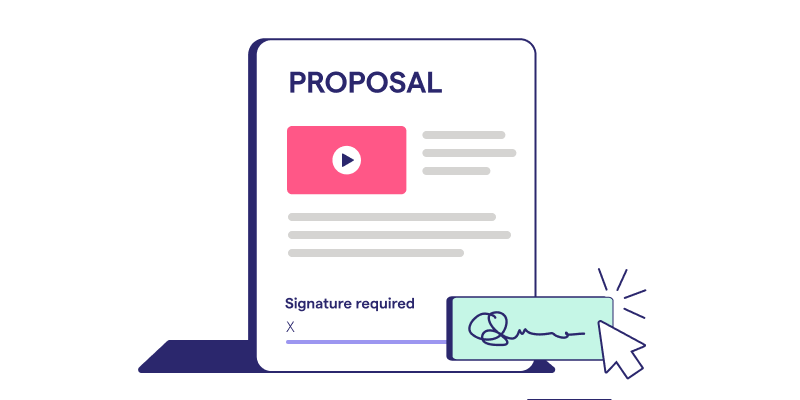
Ignition Proposals convert the scope and pricing agreed in an onboarding meeting into a single document that captures signature and payment authorization together. There's no separate payment form to chase down later. The proposal itself becomes the deliverable.
Everything decided during discovery has a place inside the proposal. A client's specific pain points map to a defined service package, so scope stays visible rather than buried in meeting notes. Pricing tiers let a business present a few clear options based on what the client needs instead of negotiating a single flat number. Anything discussed as optional, such as advisory add-ons or extra reporting, becomes a proposal add-on the client can select without a follow-up call.
Once the client accepts and signs, that agreement connects directly to billing and payment collection. There's no onboarding packet to assemble, no invoice to build separately, and no waiting period between a signed agreement and the first payment.
Compare that with a Word-based proposal followed by a separate DocuSign contract and manually created invoice. Each additional step creates another place for a client to stall, a detail to get lost, or a payment to slip.
Contracts and Engagement Letters trigger billing automatically
A signed engagement letter in Ignition's Contracts & Engagement Letters product can automatically start billing, closing the gap between compliance sign-off and cash flow.
Terms confirmed during a scoping or renewal meeting should move into an engagement letter template, not a Word document that someone has to reformat later. Ignition's templates pull pricing, scope, and billing frequency from what was already agreed, so the letter reflects the conversation instead of recreating it from notes. This removes the manual re-entry that can cause mismatches between what a client agreed to and what gets billed.
For a tax practice managing more than 100 client agreements, this matters most during tax season, when renewal volume peaks. Bulk sending in Ignition's Contracts & Engagement Letters product lets a business send a batch of engagement letters at once rather than preparing each one individually.
A business that previously spent days sending engagement letters, chasing signatures, and manually starting invoices can streamline much of the renewal process.
Xero and QuickBooks sync signed agreements to invoices
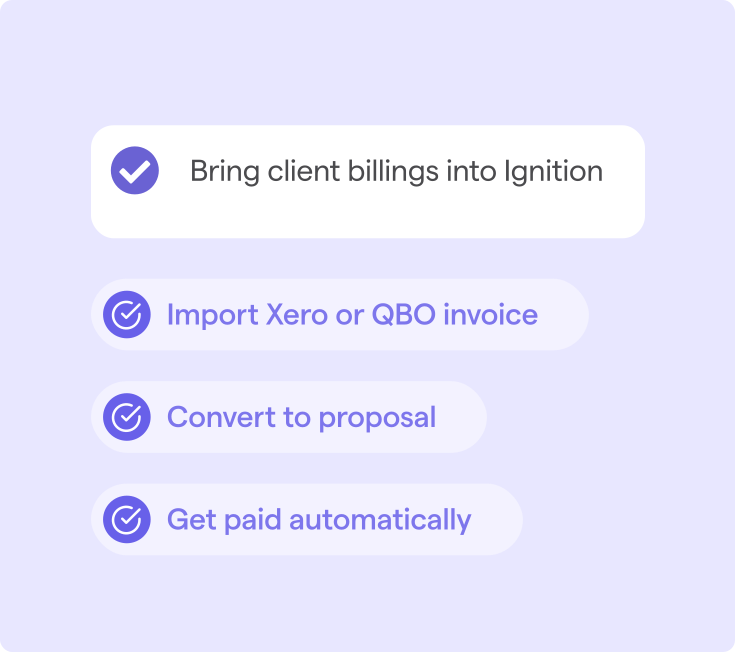
Ignition's integrations with Xero and QuickBooks sync agreed pricing directly into an invoice without manual re-entry. Once a client signs a proposal or engagement letter, that connection carries the agreed pricing through to Xero or QuickBooks, so the numbers the client approved are the numbers that appear on the invoice.
This closes a gap that costs businesses time and accuracy. Without a direct sync, someone has to open the signed agreement, read the pricing, and enter it into Xero or QuickBooks by hand for every client. That step can lead to typos, mismatched line items, and invoices that don't match what the client agreed to pay.
For businesses managing dozens or hundreds of client accounts, this removes one of the most repetitive tasks in the billing cycle. There's no second document to reconcile or separate invoice template to complete, and there’s less risk of a team member entering a rate that was never approved.
Businesses can keep either accounting platform while Ignition handles agreements and pricing.
Make every client meeting pay off
Five meetings, five outcomes. A renewal conversation with a long-standing client is worth little if it ends with a handshake instead of an updated agreement. That's the thread running through onboarding, scoping, check-ins, scope changes, and renewals. Each needs to close with a named document or billing action, not just a good conversation.
Ignition connects proposals, engagement letters, amendments, billing, and payment collection in one workflow, so what gets agreed in a meeting doesn't wait weeks to become what gets invoiced. Businesses still bridging that gap manually can connect meeting outcomes to billing automatically.
Turn conversations into signed agreements.
Connect proposals, amendments, and billing so what's agreed in a meeting gets invoiced without delay.
FAQs
-
Recurring check-ins work best on a consistent cadence, monthly or quarterly, depending on service complexity and retainer size. Businesses should tie the schedule to billing cycles so payment status and renewal dates surface naturally during each conversation. Ignition's Business Insights dashboard can help businesses track upcoming renewals and payment status ahead of these meetings.
-
A verbal agreement reached in a client meeting isn't enforceable the same way a signed proposal or engagement letter is. Scope, pricing, and terms discussed verbally can be misremembered or disputed later, which puts both the business and the client at risk. Converting meeting outcomes into a signed document immediately after the conversation protects both parties and gives billing a clear starting point.
-
Client meetings can be effective whether held in person, over video, or by phone, as long as the format matches the complexity of the conversation. Scoping and renewal meetings often benefit from video or in-person settings, since pricing and contract terms need careful discussion. Regardless of format, what matters most is documenting the outcome in a signed proposal or engagement letter afterward.
-
Hesitation to sign a renewal contract often signals unclear value or a pricing concern, not resistance to the relationship itself. Businesses should address the specific objection directly, whether it's scope, price, or service level, before offering a revised agreement. Ignition's Contracts and Engagement Letters product lets businesses send an updated proposal or letter quickly, keeping renewal momentum from stalling.
-
Many client meetings are most effective when they run between 30 and 60 minutes, long enough to cover scope or billing decisions without losing focus. Onboarding and scoping meetings often need the full hour since pricing and terms require careful discussion. Recurring check-ins can run shorter, especially when billing status and open items are reviewed ahead of time.